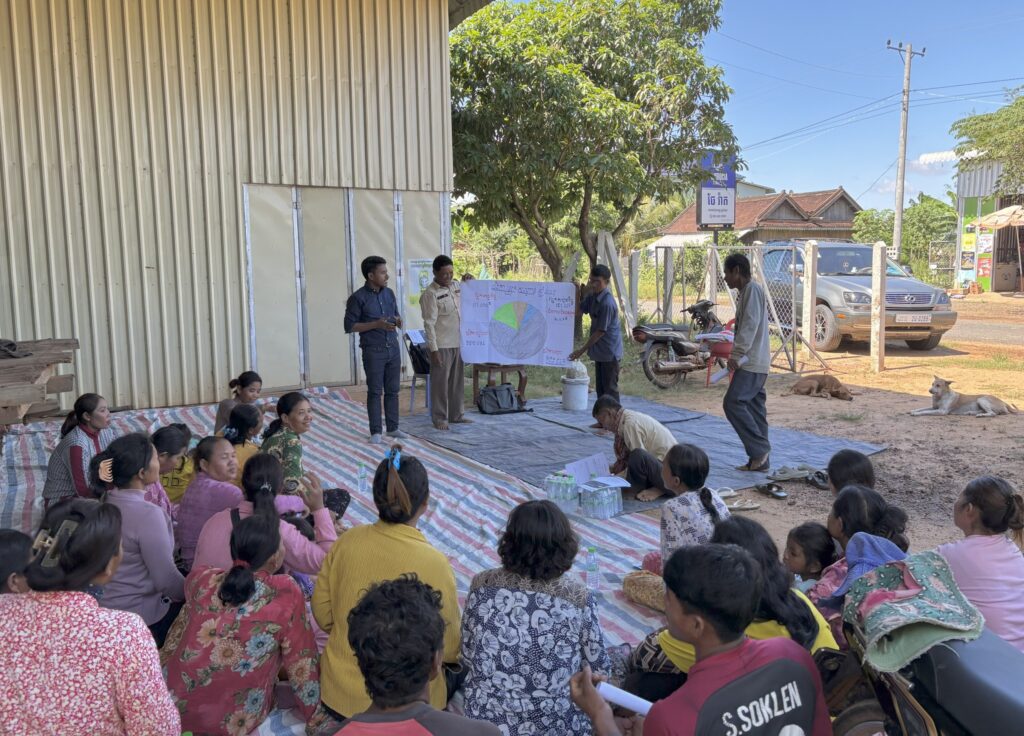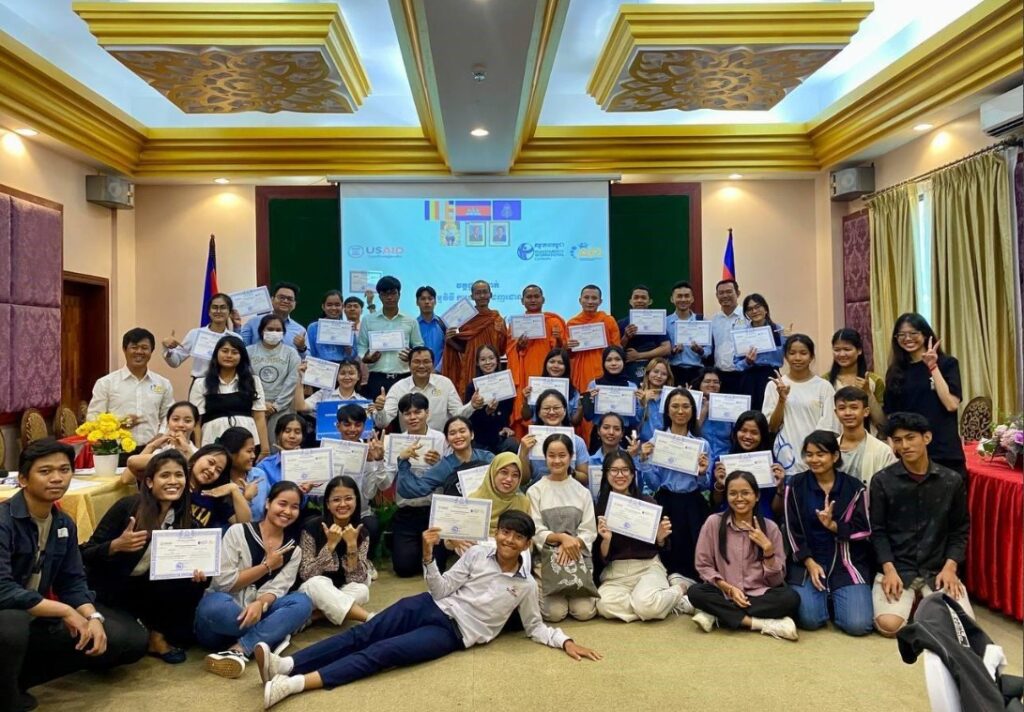

Over the past 20 years, API has strengthened the capacity of more than 200 community-based organizations (CBOs) and 500 NGOs, primarily focused on natural resource management, human rights, and democracy. API has also developed advocacy and soft skills, empowering groups representing people with disabilities, youth, women, and indigenous peoples to actively participate in decision-making on commune development and national policy advocacy.
Additionally, through Social Accountability and Local Governance Projects (2007–2024), API has enhanced the capacities of local authorities and public service providers to improve public service delivery, governance, and accountability across nearly 400 communes, 700 primary schools, and 200 health centers. Following joint training, government officials have addressed hundreds of community issues raised by these trained CBOs and NGOs. Over the past five years, more than 300 NRM-related advocacy cases affecting thousands of hectares of community forests and lands have been resolved, benefiting approximately 400,000 CBO members across Cambodia, many of whom are indigenous.
API continues to play a pivotal role in supporting Cambodia’s civil society advocacy, capacity development, and sustainability. It has chaired the Access to Information Working Group (A2IWG) since 2007 and has led the Budget Working Groups and the Coalition for Partnership in Democratic Development since 2017. API actively participates in multiple platforms, including the Digital Rights Working Group, Social Protection for All, the Coordination Committee of Cambodia, the European Chamber of Commerce, and the American Chamber of Commerce in Cambodia. Each of these groups focuses on influencing laws and policies relevant to their sectors while addressing operational challenges and promoting sustainability.
API’s leadership in these Working Groups has contributed to successful advocacy achievements, including policy changes in Social Protection Programs during and after COVID-19, the government’s adoption of the National Strategy for Informal Economy Development (2023), amendments to the Public Procurement Law (2023), development of the Draft Law on Access to Public Information (2018 & 2020), annual increases in budget allocations for sub-national administrations, education, health, agriculture, and social development since 2017, full implementation of the Social Accountability Framework (ISAF, 2016–2025), the revision of the Road Traffic Law (2015), and the adoption of the Anti-Corruption Law (2010).
Moreover, API has empowered people with disabilities, youth, women, and indigenous communities and their organizations by building advocacy skills and supporting their efforts to promote the Youth Employment Policy, the Law on the Promotion of the Rights of People with Disabilities, and the Economic Land Concession Policy—policies that have made substantial impacts on indigenous populations.