Our Impact on Civil Society Sustainability & Resilience

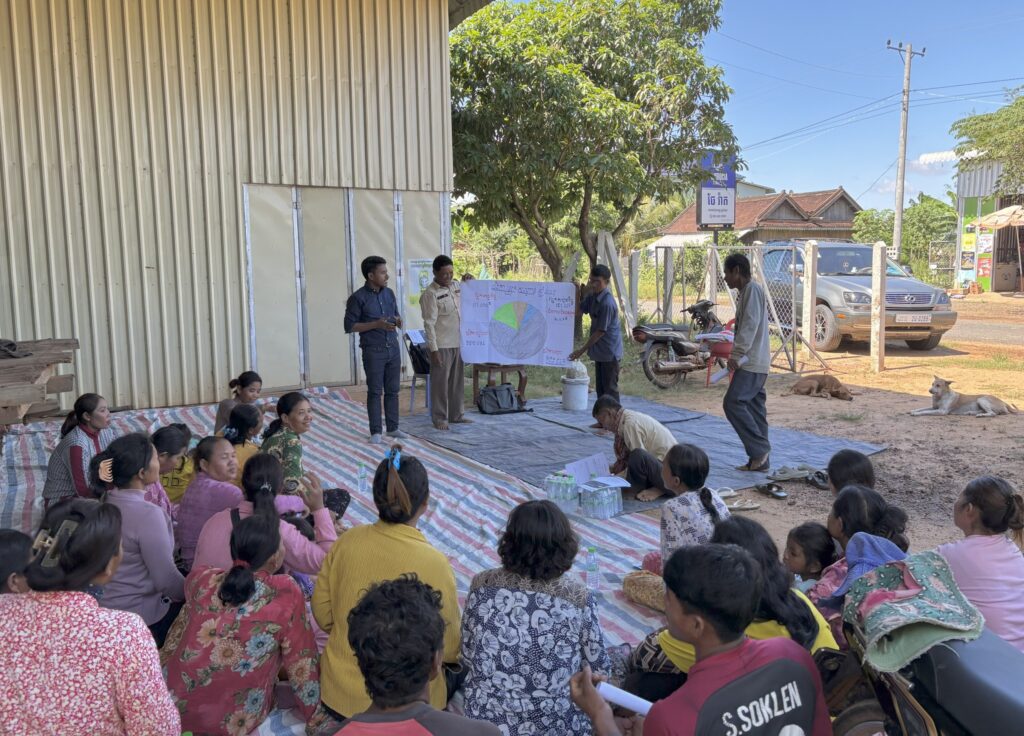
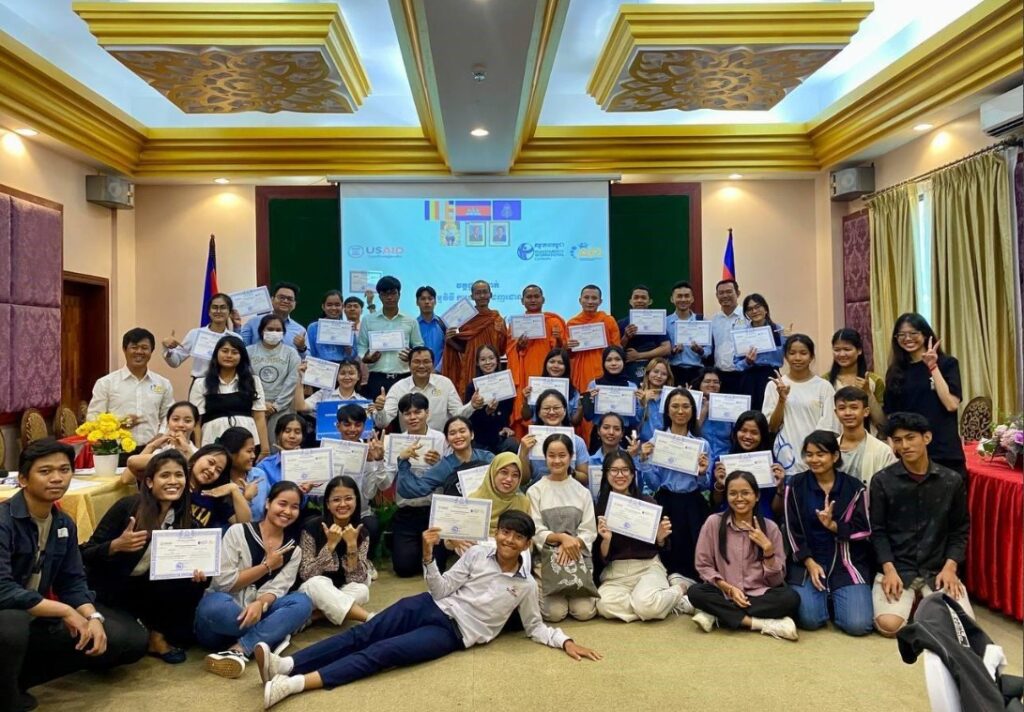
Over the past 20 years, API has strengthened the capacity of more than 200 community-based organizations (CBOs) and 500 NGOs, primarily focused on natural resource management, human rights, and democracy. API has also developed advocacy and soft skills, empowering groups representing people with disabilities, youth, women, and indigenous peoples to actively participate in decision-making on commune development and national policy advocacy.


Additionally, through Social Accountability and Local Governance Projects (2007–2024), API has enhanced the capacities of local authorities and public service providers to improve public service delivery, governance, and accountability across nearly 400 communes, 700 primary schools, and 200 health centers. Following joint training, government officials have addressed hundreds of community issues raised by these trained CBOs and NGOs. Over the past five years, more than 300 NRM-related advocacy cases affecting thousands of hectares of community forests and lands have been resolved, benefiting approximately 400,000 CBO members across Cambodia, many of whom are indigenous.


API continues to play a pivotal role in supporting Cambodia’s civil society advocacy, capacity development, and sustainability. It has chaired the Access to Information Working Group (A2IWG) since 2007 and has led the Budget Working Groups and the Coalition for Partnership in Democratic Development since 2017. API actively participates in multiple platforms, including the Digital Rights Working Group, Social Protection for All, the Coordination Committee of Cambodia, the European Chamber of Commerce, and the American Chamber of Commerce in Cambodia. Each of these groups focuses on influencing laws and policies relevant to their sectors while addressing operational challenges and promoting sustainability.


API’s leadership in these Working Groups has contributed to successful advocacy achievements, including policy changes in Social Protection Programs during and after COVID-19, the government’s adoption of the National Strategy for Informal Economy Development (2023), amendments to the Public Procurement Law (2023), development of the Draft Law on Access to Public Information (2018 & 2020), annual increases in budget allocations for sub-national administrations, education, health, agriculture, and social development since 2017, full implementation of the Social Accountability Framework (ISAF, 2016–2025), the revision of the Road Traffic Law (2015), and the adoption of the Anti-Corruption Law (2010).


Moreover, API has empowered people with disabilities, youth, women, and indigenous communities and their organizations by building advocacy skills and supporting their efforts to promote the Youth Employment Policy, the Law on the Promotion of the Rights of People with Disabilities, and the Economic Land Concession Policy—policies that have made substantial impacts on indigenous populations.
Our Identified Problems

Since early 2025, civil society organizations (CSOs) worldwide, including in Cambodia, have faced a significant decline in international development aid, with major donors such as USAID withdrawing support. This has highlighted the vulnerability of aid-dependent CSOs, particularly those working in human rights, democracy, and environmental protection—areas where API and its network members are actively involved. The Law on Associations and NGOs continues to constrain CSO operations, especially for organizations critical of government policies. CSOs encounter surveillance, difficulties with registration, and repression, particularly when advocating on governance, anti-corruption, or land rights issues.


At the same time, opportunities are emerging around localisation of development, digital platforms, technology, and artificial intelligence. There is growing momentum to transition from donor-driven agendas to locally led development models.


To succeed in this changing environment, CSOs and their networks are encouraged to:


  • Diversify funding sources, including local philanthropy and social enterprises
  • Strengthen internal governance and organizational capacity
  • Build coalitions and alliances for collective advocacy
  • Engage in policy dialogue with government and development partners
  • Utilize digital tools for outreach, transparency, and measuring impact


Capacity and Sustainability Challenges: CSOs, including NGOs and CBOs, face financial instability, legal and institutional barriers, and a pressing need to strengthen organizational capacity, resource mobilization, and income diversification. These issues are amplified by inconsistencies in program-based funding from multiple donors, especially following the global cessation of US grants.


Reduced Funding and Increased Competition: The withdrawal of US grants and diminished foreign aid from the European Union have created financial strain and heightened competition for scarce resources among both local and international NGOs.


Lack of Cooperation and Cohesion: Limited collaboration and unity among CSOs hinder collective advocacy efforts and reduce development impact. Cambodian CSOs and civic actors struggle to maintain close networks essential for effective peer-to-peer learning.


Funding Predictability and Skill Gaps: Donors emphasize the importance of more predictable funding to support the sustainability and resilience of organizations working on governance, rights, and civil society. Additionally, addressing skill gaps in business, particularly within the informal sector, remains a key priority for the Cambodian government.

Our Strategy

API’s strategies are to:


  • Strengthen effective governance to ensure that API and its implementing partners are managed with transparency, efficiency, and accountability.
  • Establish API Capacity Development & Consultancy as a separate legal entity or social enterprise that supports API’s mission and long-term sustainability.
  • Implement local fundraising strategies to improve API’s financial stability and strategic resource mobilization.
  • Enhance institutional fundraising and networking efforts.


These objectives will be achieved by:


  • Expanding the CSO network through the creation of joint advocacy platforms that build trust and align stakeholders around shared goals.
  • Strengthening access to learning, networking, and exchange opportunities that civil society identifies as essential for their success.
  • Establishing and operating the new API Development Consulting entity.
  • Creating channels to connect donors and sponsors with community-based organizations (CBOs), ensuring resources reach priority areas and contribute to the sustainability and resilience of CBOs.
  • Leading and participating in CSO networks by developing collaborative advocacy platforms to foster trust and cooperation, involving platforms such as CPDD, DRWG, CPS, CtGA, SP4All, BWG, TrustLaw, A2IWG, EuroCham, AmCham, and engaging with regional and international networks.
  • Enhancing civil society’s access to critical learning, networking, and regional exchange opportunities that support the success of their work.