
For over 20 years, API has led the annual National Advocacy Conference on Natural Resource Governance in Cambodia. From 2004 to 2013, API organized the conference independently, and since 2014, it has been co-hosted with 30 natural resource management NGOs and facilitated by the NGO Forum.
At the local level, API has empowered and built the capacity of 170 community-based organizations (CBOs)—many focused on NRM as well as representing people with disabilities, youth, women, and indigenous peoples—to actively participate in commune-level decision-making processes, with this support continuing beyond project completion. API has also advocated for increased sub-national budgets dedicated to natural resources, environment, and climate change.
To enhance transparency and citizen oversight of public finance, including environmental budgets, API developed a Citizen Budget App that collects budget data from 300 communes and 50 districts across 9 provinces and municipalities. As a result, CBOs in 50 districts have grown more confident in raising community issues with local authorities. This advocacy work has addressed over 300 cases related to natural resource management—covering thousands of hectares of community forests and land—benefiting approximately 400,000 CBO members, many of whom are from indigenous communities.
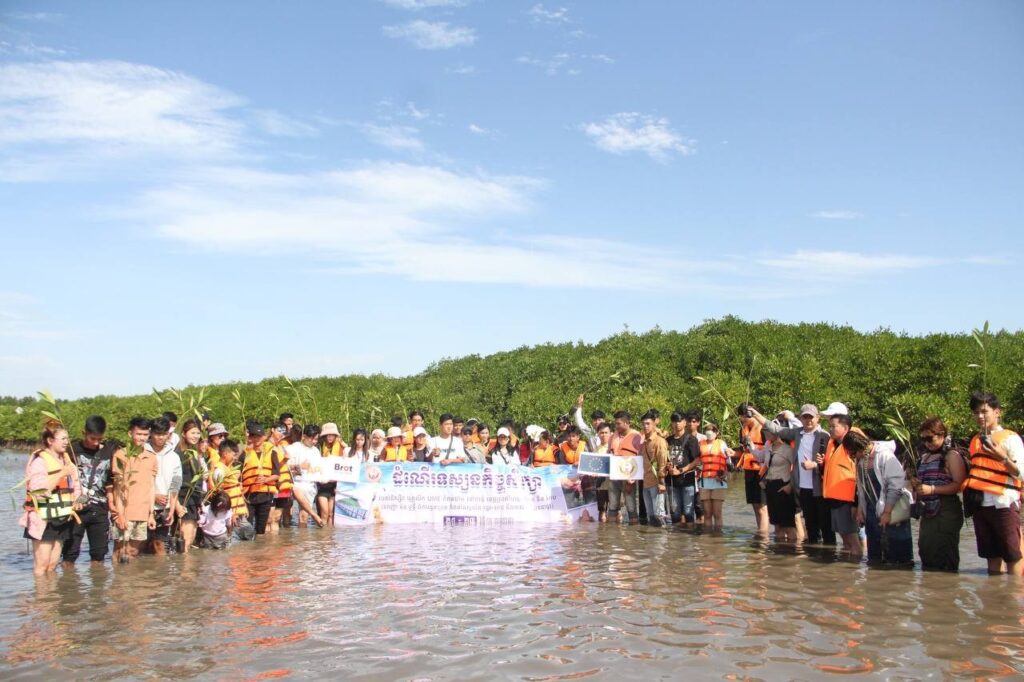
Additionally, more than 4,000 youth across 20 high schools and universities have actively integrated the Environmental Education Program and its modules into their teaching, adopting interactive, context-based approaches to tackle climate and environmental challenges. Supported by EU funding (2023-2026), this initiative aims to expand to 100 schools nationwide.
Through projects funded by the EU, USAID, and Oxfam (2016–2024), API has raised public awareness of environmental health and accountability in 200 health centers and educated around 400,000 people in nearly 400 communes about health center services and budgets. The program mobilized 20,000 people to provide feedback on health services, including critical issues such as waste management in health centers, leading to measurable improvements in delivery service.